HEMP Derived
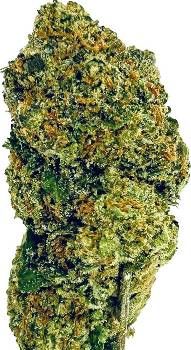
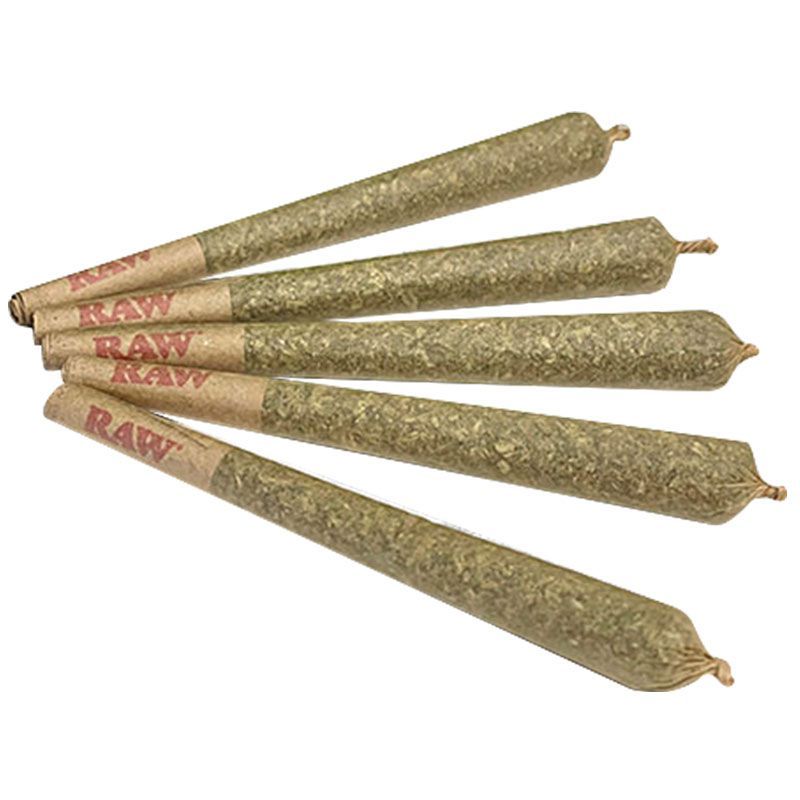
In the U.S., “legal THC” usually means hemp-derived cannabinoids that are federally legal under the 2018 Farm Bill (≤ 0.3% Delta-9 THC by dry weight).
Common Legal (Hemp-Derived) THC Forms
Delta-8 THC
- Mild psychoactive effects
- Often described as calmer than Delta-9
- Legal federally, restricted or banned in some states
-
Delta-10 THC
- Lighter, more uplifting effects
- Less potent than Delta-8/Delta-9
- Also state-dependent
THC-A (Tetrahydrocannabinolic Acid)
- Non-psychoactive in raw form
- Converts to Delta-9 THC when heated (smoked/vaped)
- Popular in flower, vapes, concentrates
- Legal if hemp-derived and Delta-9 stays under 0.3% by dry weight
THC-O (THC-O Acetate)
- Semi-synthetic cannabinoid
- Stronger, slower-onset effects
- More legally risky; banned or restricted in many states
HHC (Hexahydrocannabinol)
- THC-like effects, often described as smoother
- Chemically altered from hemp cannabinoids
- Legal federally, state restrictions vary
-
- Delta-9 THC (Hemp-Derived)
- Same molecule as marijuana THC
- Legal only if derived from hemp and ≤ 0.3% by dry weight
- Common in gummies (because weight allows compliance)
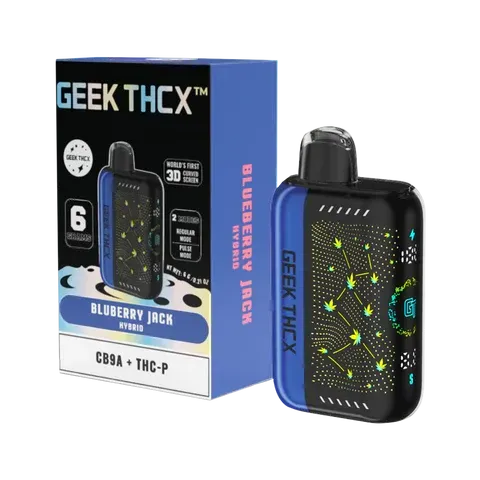
THCP (Tetrahydrocannabiphorol)
- Extremely potent — studies suggest it may bind to CB1 receptors up to 30× stronger than Delta-9 THC
- Psychoactive — effects can be intense even at very low doses
- Longer-lasting effects compared to Delta-9 for many users